
Moving to a new country is already a lot. Moving to Japan — where the paperwork has paperwork — adds another layer. But Osaka in particular has a way of making that adjustment feel worth it, usually within the first week. The food alone makes a compelling argument.
This guide is written for people who are actually in the middle of it: the foreigner who just signed a job contract, the digital nomad who decided to stay longer than planned, or the newcomer who has a move-in date and approximately seventeen browser tabs open. If that’s you, keep reading. Living in Osaka as a foreigner is genuinely manageable once you understand what needs to happen, in what order, and why.
What follows covers the core setup steps — housing, banking, phone, commuting — and explains where your hanko fits into all of it. That last point matters more than most people expect.
City Overview and Costs
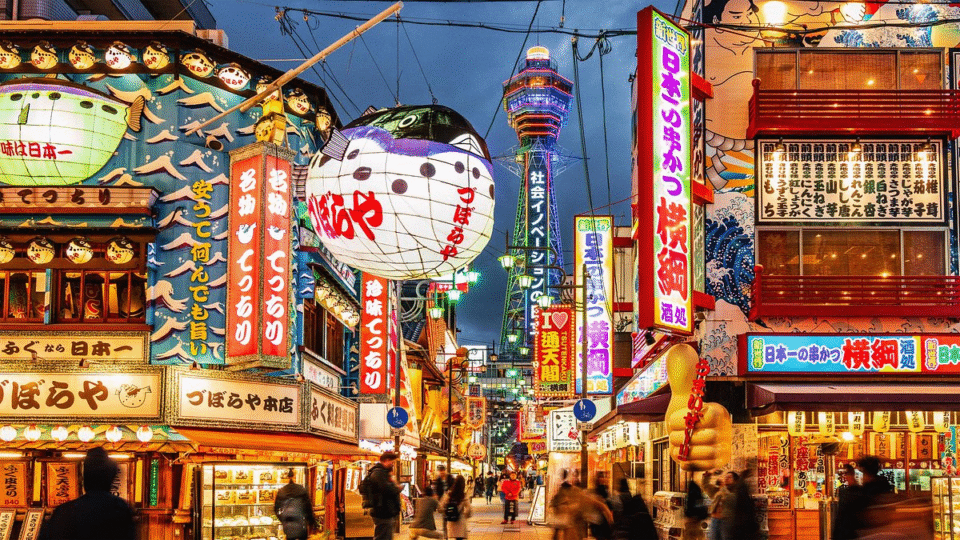
Osaka sits in the Kansai region and is Japan’s third-largest city by population, though residents will tell you it punches well above its weight in food, humor, and directness. Compared to Tokyo, it tends to feel slightly more approachable, especially for newcomers, and the cost of living reflects that difference.
Rent for a decent one-room (1K or 1DK) apartment in central areas like Namba, Shinsaibashi, or Tennoji typically ranges from ¥50,000 to ¥80,000 per month. Move further out toward Tsuruhashi, MomoYamadate, or Kadoma, and you can find similar space for ¥40,000 to ¥60,000. Utilities add roughly ¥10,000 to ¥20,000 monthly depending on season — Osaka summers are humid and hot, so air conditioning is not optional.
Groceries are affordable if you shop at local supermarkets like Life, Gyomu Super, or Hanamasa rather than imported goods stores. A realistic monthly budget for a single person, including rent, utilities, food, and transport, sits somewhere between ¥130,000 and ¥180,000, depending heavily on lifestyle and neighborhood.
One practical note on geography: Osaka’s train network is dense and efficient, but the city is large enough that your commute time matters when choosing where to live. Factor that in early.
Housing Setup
Finding an apartment in Osaka as a foreigner is more achievable than it was a decade ago, but it still requires some patience and the right approach. Many landlords still hesitate to rent to non-Japanese tenants, particularly those without permanent residency or a Japanese guarantor. That said, a growing number of agencies and property platforms now specifically serve the foreigner market.
Agencies like Sakura House, Leopalace21, and smaller local operators near major stations often list foreigner-friendly properties. Some require a Japanese guarantor; others accept a guarantor company (hoshō gaisha) in place of a personal one, which most real estate agents can arrange for an annual fee.
Before you can do almost anything housing-related, you need your residence card (zairyu card). This comes from the immigration counter at the airport when you arrive on a long-term visa, or from your local ward office if your status changes. Once you have it, you register your address at your nearest ward office (ku-yakusho). In Osaka, this might be Namba, Tennoji, Higashinari, or another district office depending on where you’re living.
A realistic scenario: A new arrival in Osaka accepts a temporary guesthouse room for the first two weeks while apartment hunting. During that time, they register their temporary address at the ward office, open a bank account, and sign a phone contract — all of which require a registered address. Once the apartment is confirmed, they update their address at the ward office and notify the bank and carrier.
Common mistakes in housing setup:
- Skipping address registration and then being unable to open a bank account
- Signing a lease before checking whether the landlord accepts foreigners on a work visa
- Forgetting to account for key money (reikin) and agency fees, which can add two to three months’ rent to your initial costs
- Not requesting an English lease summary — many agencies serving foreigners can provide one informally
Banking and Salary
Opening a bank account in Japan used to require at least six months of residence. That rule has relaxed at some institutions, but it still varies. Japan Post Bank (Yucho) and some regional banks like Osaka Shinkin have historically been more accessible to new arrivals. SBI Sumishin Net Bank is popular among foreigners for its online-first setup and English support.
You will need: your residence card, your passport, your registered address, and your phone number. Some banks also ask for proof of employment or enrollment.
A few important things about salary in Japan: most employers pay monthly, directly into your bank account. If you start work before your account is fully set up, some employers will pay by cash temporarily — worth confirming in advance. Your bank account details (bank name, branch name, branch number, account type, and account number) will be required by your HR department for payroll setup.
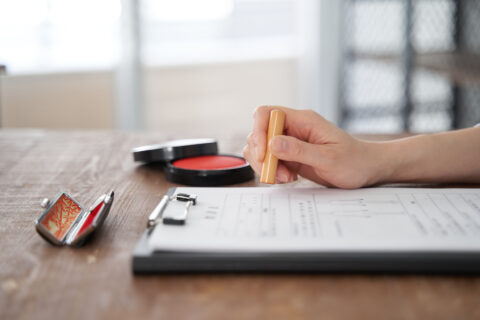
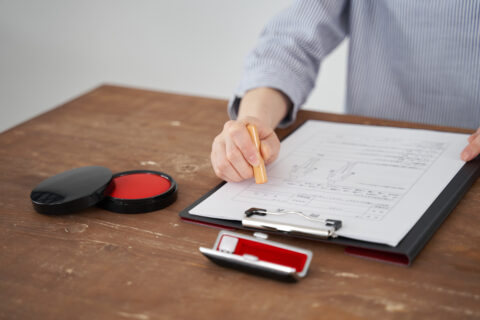
Where your hanko comes in: Many bank account applications — and certainly any formal banking paperwork — still commonly involve a hanko impression rather than a written signature. Your registered hanko impression becomes your official mark on financial documents. This is not always required for basic accounts at foreigner-friendly banks, but once you move into salary accounts, lease agreements, or any long-term financial paperwork, having your own hanko moves from optional to expected.
If you’re aiming to work in Osaka, check ComfysCareer for openings that match your language level.
Commuting Basics
Osaka’s public transport system is run primarily by Osaka Metro (formerly Osaka Municipal Subway) and JR West, with several private lines like Kintetsu, Nankai, and Hankyu serving different corridors. It’s comprehensive, punctual, and not particularly hard to navigate once you understand the line logic.
An IC card — either ICOCA (issued by JR West) or PiTaPa (issued by Osaka Metro) — covers almost all transit needs in the Kansai region. ICOCA is generally easier to obtain with no prior registration. You can top it up at station machines and use it for trains, buses, and even some convenience stores and vending machines.
Monthly commuter passes (teiki) are worth buying if your commute is fixed. Your employer may subsidize this cost — confirm with HR whether the pass is reimbursed and whether you need to submit receipts or commuter pass details.
Cycling is also genuinely practical in flat parts of Osaka. If you buy a bicycle, register it at your local police station or through a bicycle shop — registered bikes are easier to recover if stolen, and unregistered bikes can cause problems if stopped by police.
Where Hanko Fits In
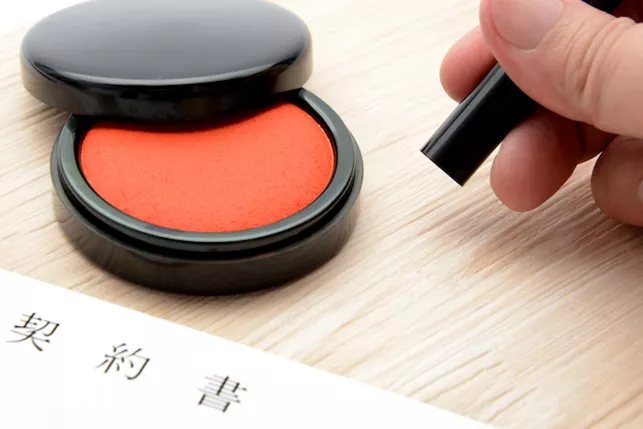
This is the section most expat guides skip or oversimplify, so let’s be specific.
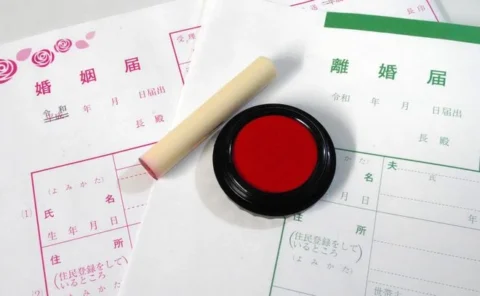
A hanko (also called inkan) is a personal stamp used in place of — or alongside — a handwritten signature in Japan. For foreigners living in Osaka, you will encounter it sooner than you might expect.
Here is a practical checklist of when your hanko may be required:
- Signing an apartment lease
- Opening certain bank accounts or updating financial documents
- Employment contract paperwork
- Registering a vehicle
- Applying for a national health insurance card in some ward offices
- Signing for deliveries of official documents or registered mail
- Setting up a mobile phone contract with some carriers
Not every situation requires a formally registered hanko. A basic hanko (mitome-in) works for many everyday purposes. However, for bank accounts and lease agreements, some institutions require a registered hanko (jitsu-in) — one officially registered at your ward office with a corresponding certificate (inkan shōmei-sho).
A common scenario: A foreigner signs their first apartment lease in Osaka and reaches the final page, where the landlord points to a blank circle next to their name. The agent explains it’s for their hanko. They didn’t bring one. The signing is delayed, an extra trip is scheduled, and the move-in date slips by a week.
Another scenario: A newcomer orders a custom hanko with their name phonetically rendered in katakana before their arrival. On their first visit to the ward office, they register it, walk out with an inkan shōmei-sho, and proceed to bank setup and lease signing without interruption.
Common mistakes with hanko:
- Assuming a signature will always be accepted instead — it often won’t be
- Ordering a hanko with a romanized (alphabet) name when katakana is standard
- Using a cheap, identical mass-produced stamp that cannot be uniquely registered
- Not keeping the inkan shōmei-sho safe — some offices charge for re-issuance and the process takes time
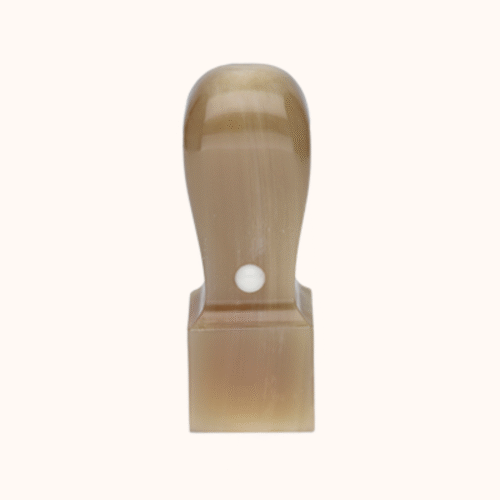
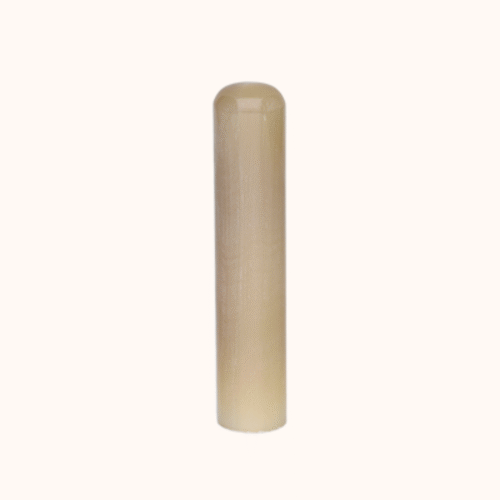
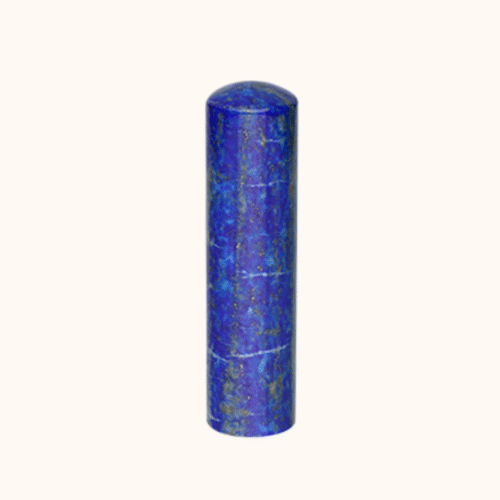
A quality custom hanko designed for use in Japan — with your name in katakana, hiragana, or kanji if applicable — ordered before you arrive or in your first week, saves real friction. HankoHub offers custom hanko in English with options suited for foreigners, including katakana name rendering and the stamp sizes commonly accepted at Japanese ward offices and financial institutions.
FAQ
Do I need a hanko immediately, or can I wait? Ideally, order before you arrive or in your first week. Lease signings and bank setups happen fast. Having your hanko ready removes one bottleneck from a process that already has several.
Can I use my signature instead of a hanko? Sometimes, particularly at foreigner-friendly banks and some private landlords. But many official institutions — city offices, traditional banks, certain employers — still require a hanko impression. Don’t assume a signature will be accepted; ask in advance.
How long does it take to open a bank account in Osaka? Same-day in some cases (Japan Post Bank is often faster), up to two weeks at other institutions. Having all your documents ready — residence card, registered address, phone number — speeds this up significantly.
Is Osaka more foreigner-friendly than Tokyo for admin tasks? In some respects, yes. Kansai residents have a reputation for being more straightforward, and some ward offices in Osaka have English-speaking staff or multilingual handouts. That said, the underlying paperwork system is the same across Japan. The process doesn’t get easier — familiarity with what to expect does.
Do I need a Japanese phone number before anything else? Practically, yes. A Japanese phone number is required for bank account setup, most app registrations, and many other admin steps. A SIM card from IIJmio, Rakuten Mobile, or a convenience store SIM is a reasonable first-day purchase. Bring your passport and residence card.
What size hanko should I get? For personal use (bank accounts, leases, general documents), a 12mm or 13.5mm diameter is standard. HankoHub lists the appropriate sizing options when you configure your order, so you don’t have to guess.
Next Steps
Once your address is registered and your documents are in order, your hanko is the practical item that ties most of the paperwork together. Rather than improvising at the ward office or delaying a lease signing, having a custom stamp ready from the start puts you one step ahead.
Order your custom hanko in English at HankoHub — the process is straightforward, the name rendering options are designed for foreigners, and it arrives ready to use for the exact situations covered in this guide.